
Learnings from working on AI strategy in Madrid
AI strategy internship for a <30-person strategy and design company in Madrid. I also wanted to experience what it was like living and working in a different country.
Work reflections
When building my company's first in-house software product and AI feature, I'd struggle for 10 hours to learn how to make it so that people after me could do that same work in 10 minutes. I wrapped up my intership by demonstrating the AI feature proof-of-concept to the whole company and presenting an AI transformation roadmap. They ended up developing software enginering/AI into a product offering with $1M+ in annual revenue.
Remember playing cat’s cradle in grade school?
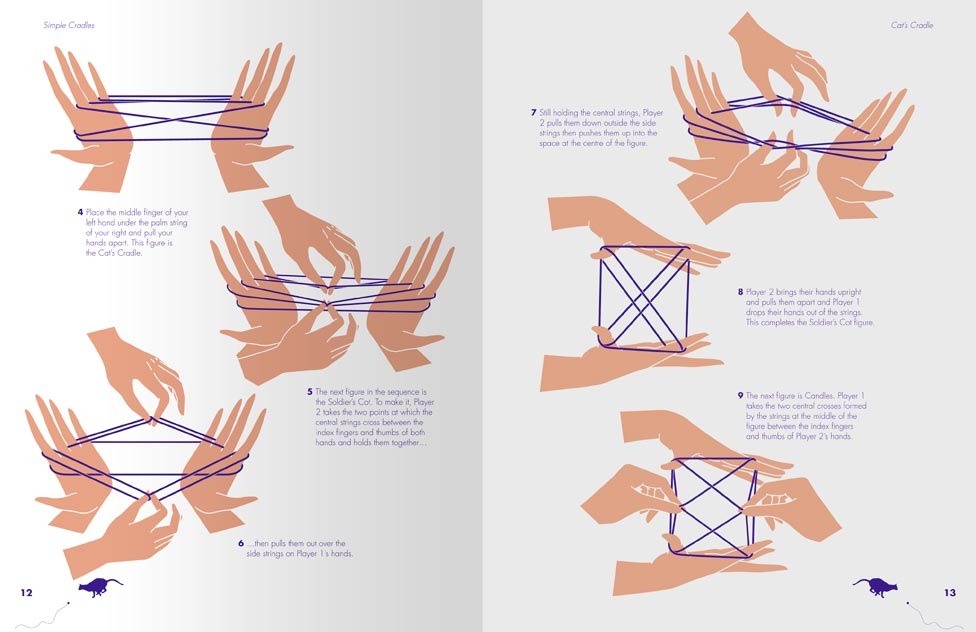
Driving change at the organizational level feels like seeing this huge web of string, learning where to put your fingers in the right spots so you can support it, then slowly pulling the string and changing the shape until it’s something new.
Personal reflections
I’d like to think of myself as fairly independent — moving from Seattle to New York for college went smoothly — but I had a rough time when I first got there. I didn’t know anyone, or speak Spanish very well, or honestly even know what I was going to be working on.
What worked way better than trying to make friends with English-speaking exchange students off some app was just getting to know people during my day-to-day routines. The fruit shop owner who told me I could go to him if I needed help with anything, the bodega owner who brought me chili oil from Madrid’s Chinatown, even the ladies who ran the tobacco shop (where I only went to buy stamps, just for the record) — those were the people who made the block I lived on feel like a community.
That’s definitely something New York seems to miss. Maybe this is just an Upper West Side thing, or a Broadway thing, but instead of small independently owned shops where you see the same one or two people every time you go there, we have all these chain businesses. And it shouldn’t, but it does mean that simple daily motions like buying fruit or sending mail feel like tasks that need to be checked off as efficiently as possible, rather than ways you participate in your neighborhood.
Another thing about Madrid that I came to appreciate: people walk sooooo slowly. I’d be lying if I said I didn’t find this annoying at first. In New York, the sidewalks are highways, and if you don’t follow the rules of the road you’re either a tourist or a recent transplant who hasn’t yet learned that you always pass on the left. When you first move there, joining in on that rush from one place to the next feels like a point of pride. New Yorkers always have someplace to be. But I think we start to understand, at some point or another, that we’ve lost a bit of presence. We stop paying as much attention to the people walking next to us, to the hours that we’re living in, and to what we’re passing by on our way to that place.
When I went to Gran Canaria, I met a Spanish girl on the beach who was in the first year of her medical residency. She said in Spain, you ‘aprovecha’ time more — we had to Google Translate, but it means that you take advantage of time. You appreciate time. You make the most of every hour of the day, not just the hours that you’ve already arrived at your destination.